Stock Footage vs Motion Graphics: Which One Should Explain the Idea?
A scene-by-scene decision framework for choosing stock footage, motion graphics, documents, or a combination in an educational video.
 BrollCat Editorial Team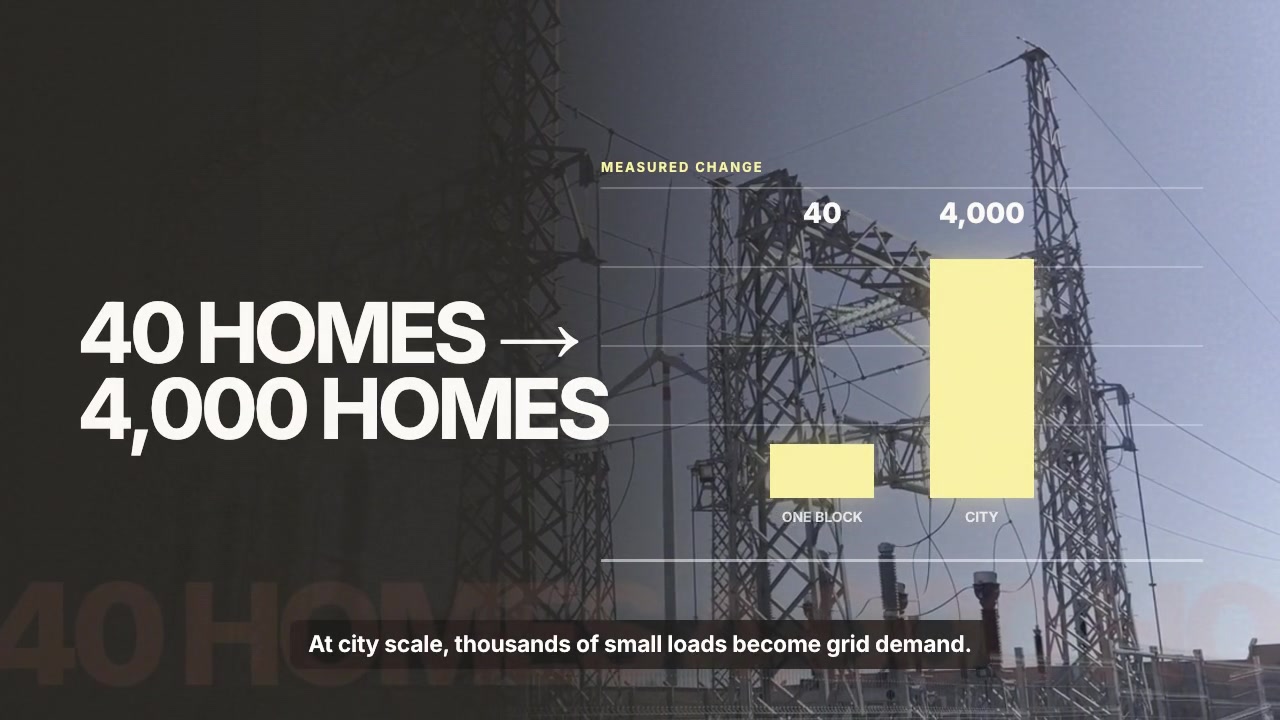
Stock footage and motion graphics are not competing styles. They solve different communication problems.
Footage is strongest when the viewer needs to witness something. Motion graphics are strongest when the viewer needs to understand a relationship that cannot be filmed directly.
The right unit of decision is not the whole video. It is each narration beat.
Use stock footage to establish reality
Choose footage when the important information is visible in the physical world:
- a place, process, object, or behavior;
- the scale or texture of an environment;
- how a person uses a tool;
- evidence that an event or condition exists.
Good footage does not merely match a noun in the narration. It contributes information. If the voice says “the port became congested,” an aerial view of a busy harbor is more useful than a generic close-up of a shipping container.
Use motion graphics to expose structure
Choose graphics when the important information is a relationship:
- cause and effect;
- change over time;
- parts of a system;
- comparison between quantities;
- movement across a map;
- a concept that has no literal camera image.
The purpose is not to decorate the screen. It is to make the logic inspectable.
Use documents when credibility is the point
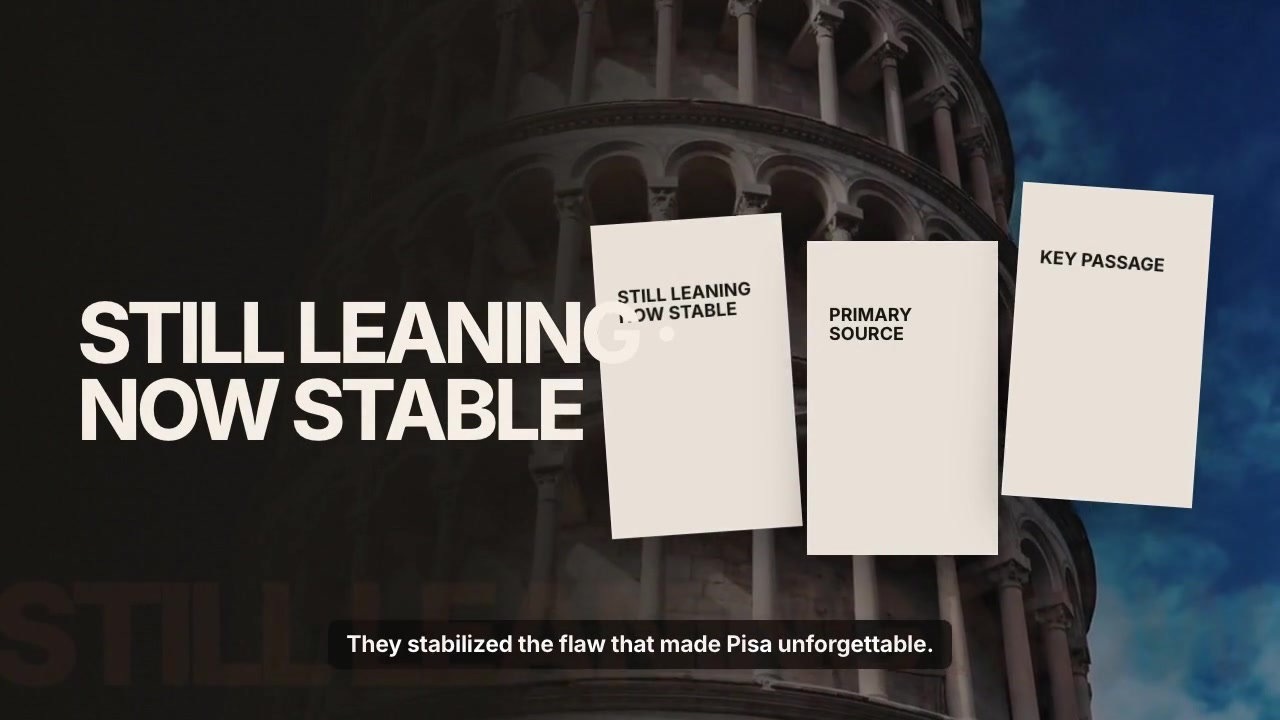
Sometimes neither footage nor animation is the best evidence. If the narration depends on a report, filing, quote, diagram, or historical record, show the source itself.
Crop to the relevant passage, preserve enough context to identify the document, and highlight only what the narration is discussing. A fast-moving wall of text creates the appearance of proof without giving the viewer time to verify anything.
Combine them when one establishes and the other explains
A strong sequence often uses both:
- footage establishes the real-world situation;
- a graphic isolates the mechanism;
- a document verifies the key claim;
- footage returns to show the consequence.
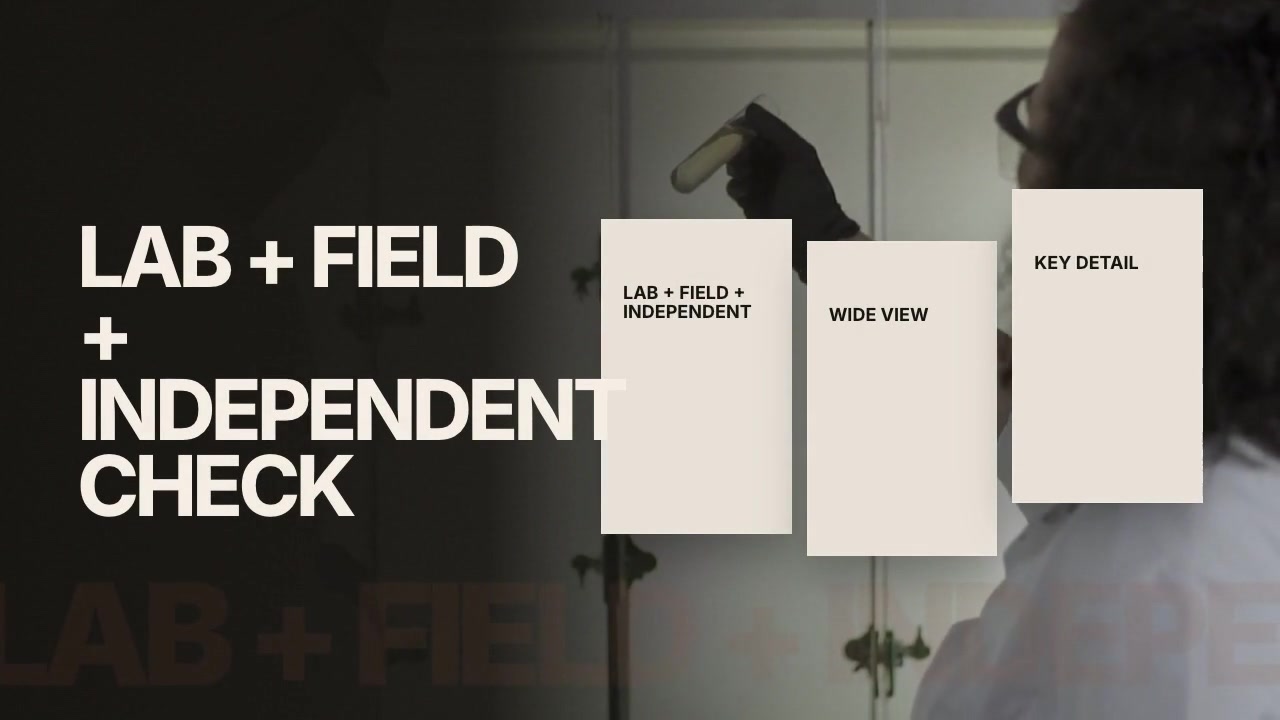
This pattern moves from concrete to abstract and back again. The viewer sees the world, understands the model, checks the evidence, and then sees what changed.
A five-question decision test
For every scene, ask:
- Is the claim directly visible? Use footage.
- Is the claim about a relationship? Use a graphic.
- Is the authority of a source important? Show the document.
- Would a visual metaphor simplify the idea or distort it? If it distorts, do not use it.
- Can the viewer understand the shot without the narration? If not, the visual may be too generic.
Common mistakes
Literal noun matching: the narration says “growth,” so the edit shows a plant. Unless the metaphor adds meaning, it is visual noise.
Over-animated explanation: every sentence becomes a moving diagram, leaving no perceptual rest and making simple facts feel complicated.
Decorative stock montages: attractive clips change every two seconds but never prove or explain the claim.
Untraceable evidence: screenshots and charts appear without a readable source or date.
The best visual mix is the one that gives every scene a job. Explore BrollCat visual directions, then revise individual scenes in conversation instead of locking the entire video into one treatment.